Studio Booth Rental
 Green Screen Photo Booth Rental
 Glam Booth Rental
 Mirror Photo Booth
 Classic Photo Booth Rental
 Light Painting Photo Booth Rental
 Vogue Photo Booth Rental
 Glambot Rental
 360 Photo Booth Rental
 Bullet Time Photo Booth Rental
 Testimonial Booths
 Roaming Photo Booth Rental
 GIF Photo Booth Rental
 Virtual Photo Booth


 Split Flap Display
 Custom Dog Tag Station
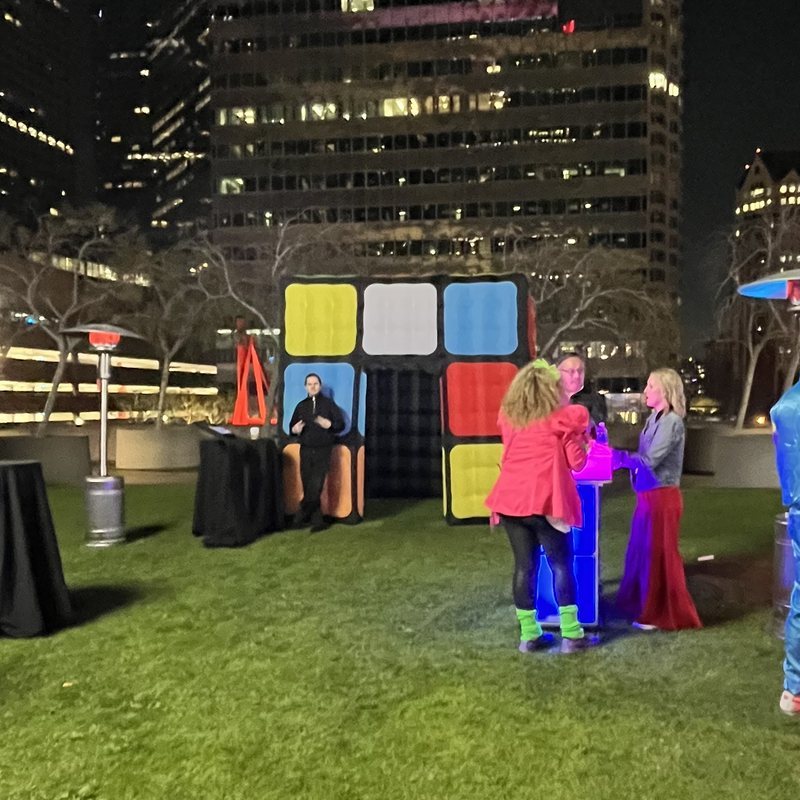
 Giant Lite Brite
 Digital Graffiti Wall
 Retail Photo Booth Installation
 Ski Lift Photo Booth
 Custom Photo Booth
 LED Dance Floor
A collaborative installation is an event activation that guests build together: each person adds one piece, such as a peg, a photo, a sprayed line or a short message, to a single work that grows through the event. The finished piece belongs to the whole group rather than to any one guest.
CEG has run 2,700+ events over 20+ years and holds 211,000+ guest sessions on record, and collaborative installations for events are part of that catalog. Clients rate CEG 4.8 out of 5 across 208 post-event surveys. On CEG’s 2026 rate sheet, the Giant Lite Brite and one split flap board are each from $3,000 for up to three hours, a digital photo mosaic is from $5,000, and either graffiti wall build is from $7,000.
FOUR COLLABORATIVE INSTALLATION FORMATS, AND WHERE EACH ONE FITS
The four shared-build formats are the peg wall, the digital graffiti wall, the photo mosaic and the split flap message wall; the graffiti wall comes in two builds.
Two questions, asked in this order, usually settle the format: how long guests stay near it, and whether the light can be controlled. For an event under two hours with a crowd one wall can serve (about 80 to 120 guests at 40 to 60 an hour), the touchscreen graffiti wall is the safe pick, because each guest’s piece is finished the moment that guest steps away; for a bigger short event, add a second wall or book the photo mosaic. From two to four hours, which covers the three hours in every rate, choose on crowd size and light. In three hours one graffiti wall serves about 120 to 180 guests and the peg wall about 360, so a larger room points to the peg wall, the mosaic or the split flap board, and a lit room rules out the projection build. Over four hours, or across days, the peg wall and the split flap board fit best, because both reward guests who come back. Light rules out only one build indoors, the projection graffiti wall, so ask about light before the creative concept.
| Five Builds by Footprint, Room, Pace and Price | ||||
|---|---|---|---|---|
| Format | Footprint | Room it needs | Guests per hour | 2026 rate, up to 3 h |
| Peg wall (Giant Lite Brite) | 8 × 4 ft board on an 8 ft table, ~10 × 5 ft floor | Indoor, reachable from a standing crowd; 5 A outlet nearby (battery option) | About 120, with 8 to 10 at the board at once | From $3,000 |
| Graffiti wall (projection) | ~10 × 12 ft, 10 ft canvas | Dark room; outdoors after sunset with wind protection; 15 A | 40 to 60 | From $7,000 |
| Graffiti wall (80″ touchscreen) | ~8 × 8 ft | Lit rooms; outdoors under cover or shade; 15 A | 40 to 60 | From $7,000 |
| Photo mosaic | Screen-dependent (42/60/80 in); grid sized to the photos that will arrive | Anywhere with sightlines | No line; limited only by the phones and booths feeding it | From $5,000 with QR and text uploads; feeding booths extra |
| Split flap message wall | Stand or wall mount | Circulation path, within earshot | No line; limited only by QR and URL traffic | From $3,000 for one board; custom content and dashboard quoted |
Past the three hours in each rate, extra time on the peg wall or the split flap board is $500 per hour when booked ahead; graffiti wall and photo mosaic overtime is quoted, as is staffing beyond one attendant and any hour extended on-site.
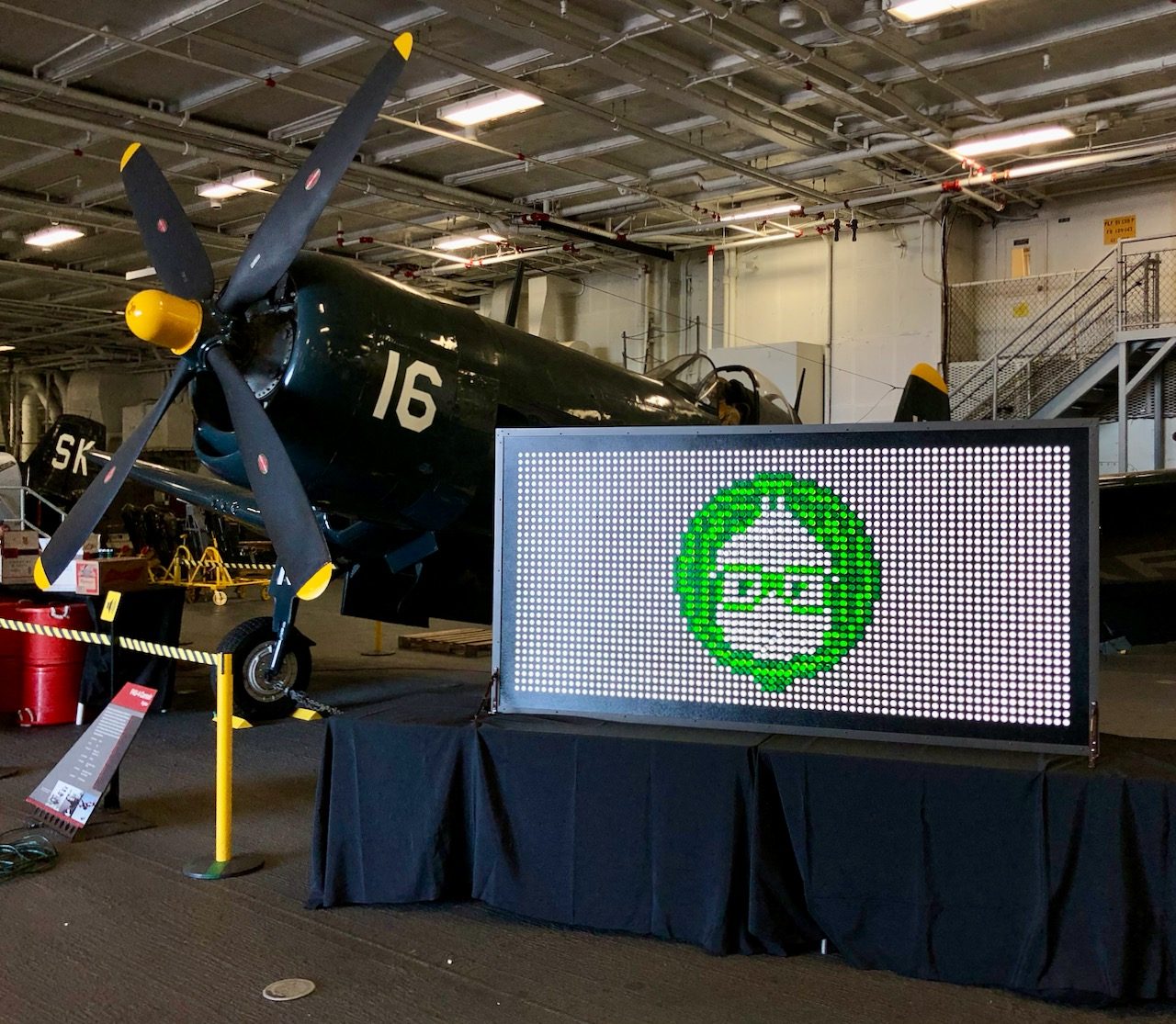
Peg wall. The Giant Lite Brite is an 8 ft × 4 ft illuminated peg board on an 8 ft table that occupies roughly 10 ft × 5 ft of floor and runs indoors on 5 amps from a standard outlet, with a battery-powered option for remote locations at extra cost. Guests push colored pegs into a starter design with the client’s name or logo, or freehand a section. Eight to 10 guests work the board at once, about 120 an hour, and a steady crowd fills it in about 30 minutes; after that it keeps changing as guests move pegs. Short events typically include an attendant; full-day and multi-day staffing is quoted, and on those bookings the client handles the peg designs. Tradeoff: indoor only, and a custom LED marquee header needs 7 to 10 business days of lead time. CEG built the peg wall for HI-CHEW at Irvine Spectrum through Inspira Marketing.
Lite-Brite is a registered trademark of Hasbro. CEG Interactive’s giant peg wall is not made by or affiliated with Hasbro.
A timelapse of two young fans pressing blue and gold pegs into the lit board until the San Diego Padres logo fills it.
Digital graffiti wall. The digital graffiti wall, sometimes written graffitiwall, comes in two builds. The projection build throws a 10 ft canvas, needs a dark room and about 10 × 12 ft of floor, and runs outdoors after sunset with the screen protected from wind. The 80-inch LCD touchscreen build holds up in a lit ballroom in about 8 × 8 ft, and runs outdoors only under cover or shade, never in direct sun. Either build draws 15 amps and serves 40 to 60 guests an hour. Guests spray with digital cans and stencils in the brand’s colors; every piece saves as digital art and replays as an animation, with on-site prints as a $500 add-on.
A time-lapse of the touchscreen graffiti wall at night: bursts of color and a guest photo layered into the piece.
Photo mosaic. A digital photo mosaic tiles guest photos into one giant branded image on a 42-, 60- or 80-inch screen, and the brand receives the composite file at the end of the night while each guest still receives their own frame. Photos arrive through a QR code on guests’ phones, by text to a set number, and from any CEG digital photo booth on the floor. The from-$5,000 rate covers the screen plus the QR and texted uploads; a feeding photo booth is its own line, from $2,000. A grid 30 tiles tall and 40 wide holds 1,200 photos, and a backup gallery of client images fills any gap so the mosaic finishes on time.
How big should the photo mosaic grid be?
Size the grid to the photos that will actually arrive, not to the guest list. As a rule of thumb, one feeding booth runs about 60 sessions an hour, so over three hours it adds roughly 180 photos; a 1,200-tile grid therefore needs mostly phone QR uploads or several booths. Set the tile count at or a little under the expected photo count: at 600 expected photos, a 30 by 40 grid leans on repeats and the backup gallery for half its tiles, and a smaller grid keeps the image the room’s own.
Guest photo tiles fly across the screen and lock into one branded image.
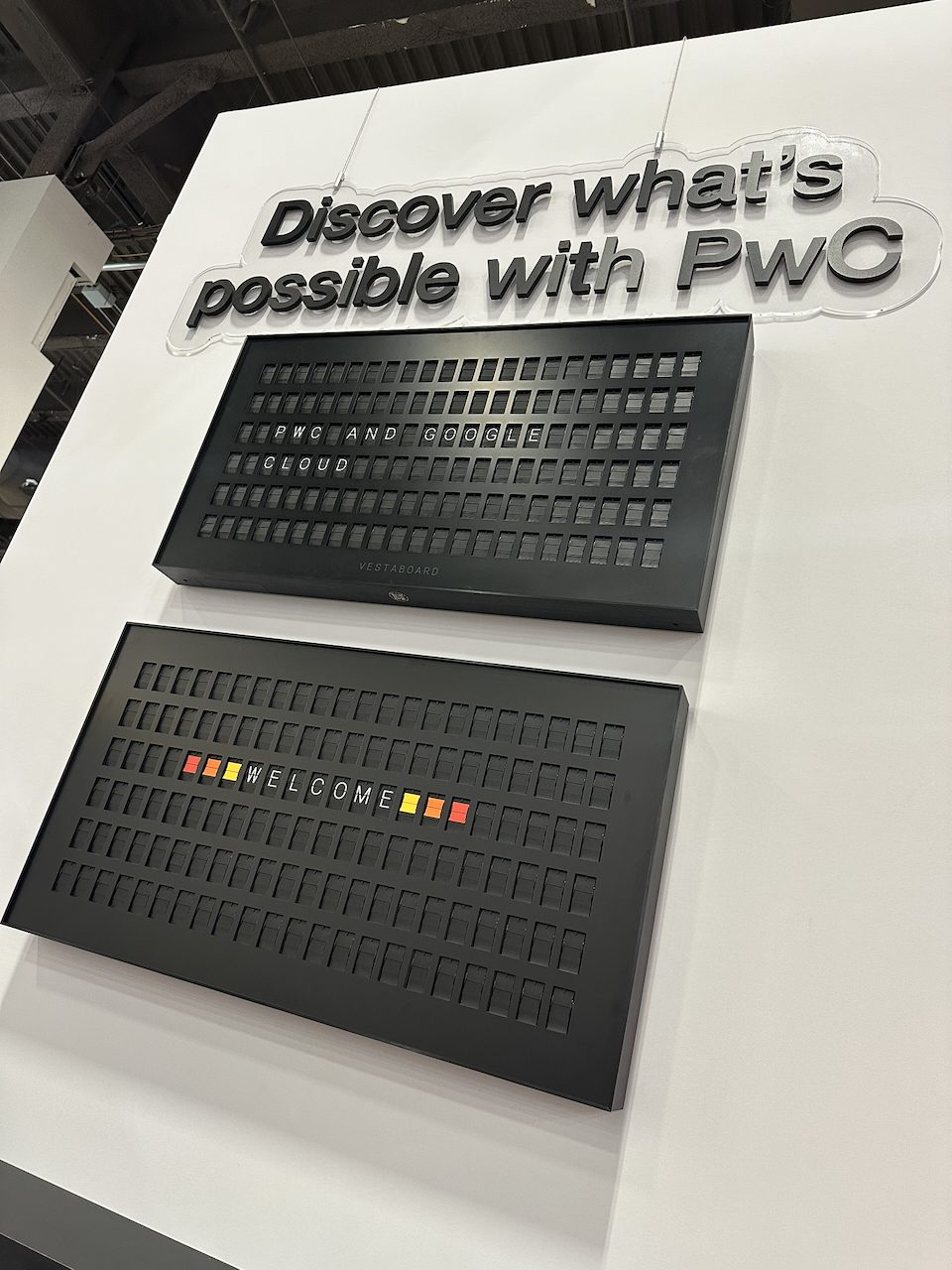
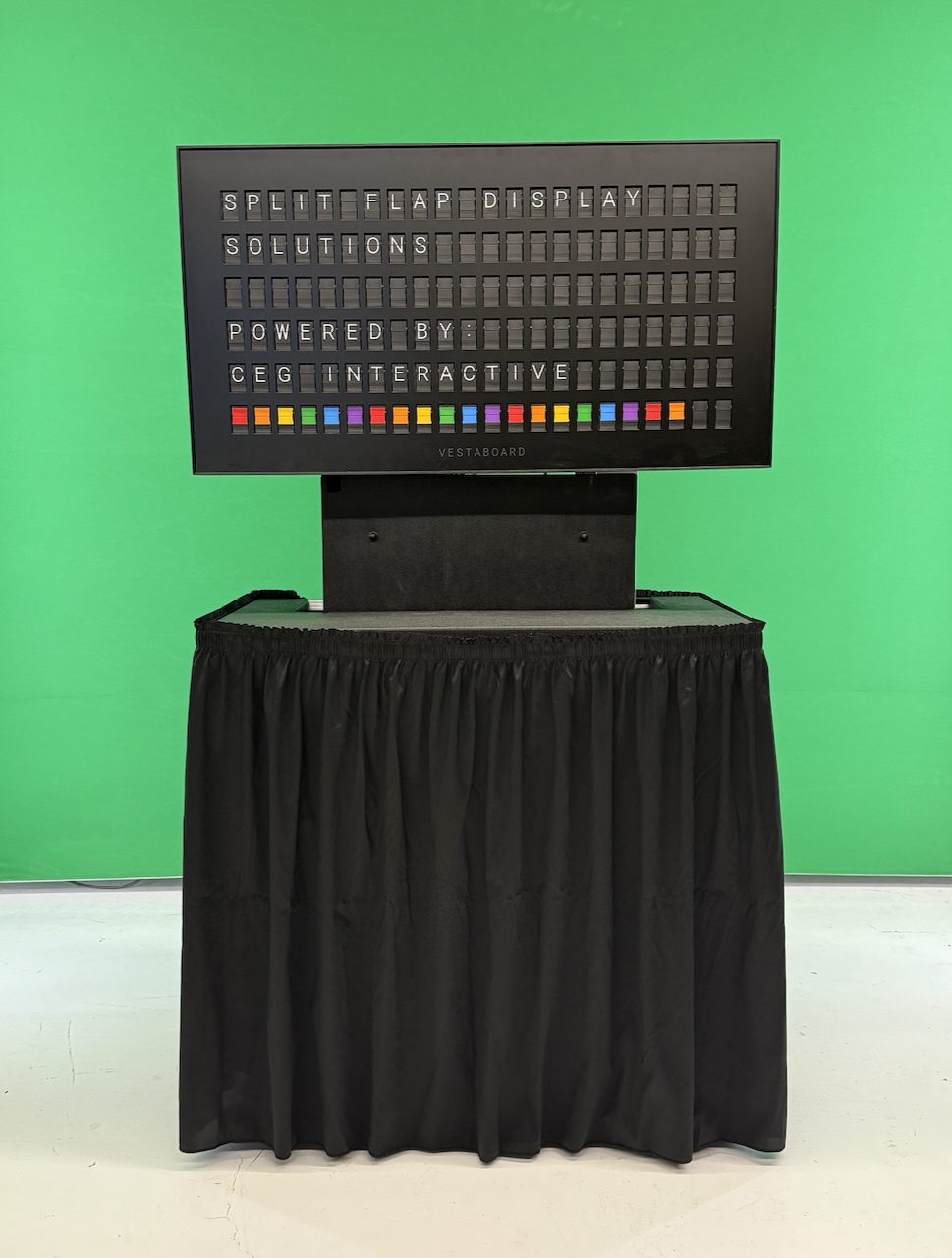
Split flap message wall. A split flap message wall is a departure-board-style display on a stand or wall mount, where lines flip into place with the clatter that makes a room look up. Each board shows 6 rows of 22 characters, 132 characters or about 15 to 20 words at a time, so it carries sentiment rather than detail. The from-$3,000 rate covers one board; custom content, the moderated dashboard where someone approves each guest message before it flips, and additional boards are quoted. Guests post through a QR code or a short URL, so the board has no line. At San Diego Comic-Con, working through XD Agency, CEG built a custom departure board across multiple split-flap boards, with content operations through show week.
How long does a guest wait to see their message on a split flap board?
A split flap loop comes back every N × M seconds, where N is the number of slides and M is how long each one holds. As a rule of thumb, hold each slide about 10 seconds, long enough to read twice; a 12-slide loop then brings every message back within 2 minutes, before a guest who just posted walks on. When messages outrun that, add or link boards rather than lengthen the loop.
A split flap board on a draped table stand flips through color tiles, letters and numbers, then settles on a message credited to CEG Interactive.
HOW COLLABORATIVE INSTALLATIONS DIFFER FROM A PHOTO BOOTH RENTAL
A photo booth makes one output per guest, while a collaborative installation makes one output that every guest had a hand in, so the wall at 9 p.m. looks nothing like the wall at 6. The graffiti wall and the mosaic still send each guest a file, but a photo booth is the better tool when every guest needs a branded personal takeaway and the brand needs a contact from every session.
WHY PLANNERS BOOK COLLABORATIVE INSTALLATIONS IN 2026
Planners book shared builds because attendees say they come to events to connect with other people. Eventbrite’s January 2026 survey of 18- to 35-year-olds found that 89% want community events that connect them to other people, and 74% rate in-person time above digital. Freeman’s July 2025 networking research found that 51% of attendees say effective networking is reason enough to return to an event, and nearly one-third of younger professionals, ages 23 to 46, report that current networking formats actually detract from value or increase anxiety.
A shared build is designed for that third of the room: it hands two strangers the same small task and a reason to stand side by side. At an internal offsite, the value moves to the record: one finished piece the whole team built.
WHEN A COLLABORATIVE INSTALLATION IS THE WRONG CALL
A collaborative installation is the wrong call in its usual form outdoors in daylight, for a crowd far larger than one station can serve, on a tight budget, with nobody to screen guest content, when the client wants a physical piece to keep, and when every guest must leave a contact and a personal photo.
Outdoors in daylight. The projection graffiti wall needs dark and the Giant Lite Brite runs indoors only; the 80-inch touchscreen graffiti wall holds up in light but not in direct sun.
“Outdoors in daylight, the projection graffiti wall and the Giant Lite Brite are both off the table. I put the 80-inch touchscreen graffiti wall under a tent or a shade structure instead.”
Peyton Vincent, founder, CEG Interactive
A huge crowd. One graffiti wall serves 80 to 120 guests in two hours, so at 1,000 guests in two hours roughly nine in ten would only watch. Two formats skip the queue: a photo mosaic fed by phones, texts and roaming photo booths (each booth booked separately), and a split flap board that takes messages by QR code or URL.
“When 1,000 guests arrive in two hours, one station cannot serve them. I feed a photo mosaic from many inputs at once and scale the screen and the grid to the group, or I add split flap boards around the venue and link them into a larger array.”
Peyton Vincent, founder, CEG Interactive
A tight budget. The Giant Lite Brite and one split flap board are the lowest-cost formats here, each from $3,000. A standard photo booth from $2,000 with a 42-inch live slideshow display added for $1,000 shows every capture on one growing feed the whole room can watch. With no budget line at all, a chalkboard, sticker wall or wish tree still gives guests one shared thing to add to.
Nobody to screen guest content. Three formats put guest content in front of the room, so someone has to own what goes up. On the graffiti wall, the attendant watches the wall and can clear a canvas instantly, and when the client asks, finished pieces go through a review queue before they post or show on a slideshow. On the split flap board that owner works the moderated dashboard; without one, the board runs only pre-built content. On a photo mosaic, the client decides whether uploads are screened before they tile, and signage should tell guests their photo will appear on a public screen.
A physical piece to keep. Every format above leaves with CEG at strike. For a finished piece to hang in the office, CEG offers a printed photo mosaic, quoted per event: each guest photo prints as a sticker tile on a physical board the client keeps. An artist-led live painting or team canvas is the other route.
A contact and a personal photo from every guest. The graffiti wall and the photo mosaic capture contacts through the sharing station that sends each guest’s file. Those files and contacts stay available to the client after the event, and CEG deletes them whenever a guest or the client asks. The peg wall and the split flap board have no sharing step, so when every guest must leave a contact and get a branded photo, a photo booth does that job directly.
COLLABORATIVE INSTALLATION BUILDS ON THE FLOOR
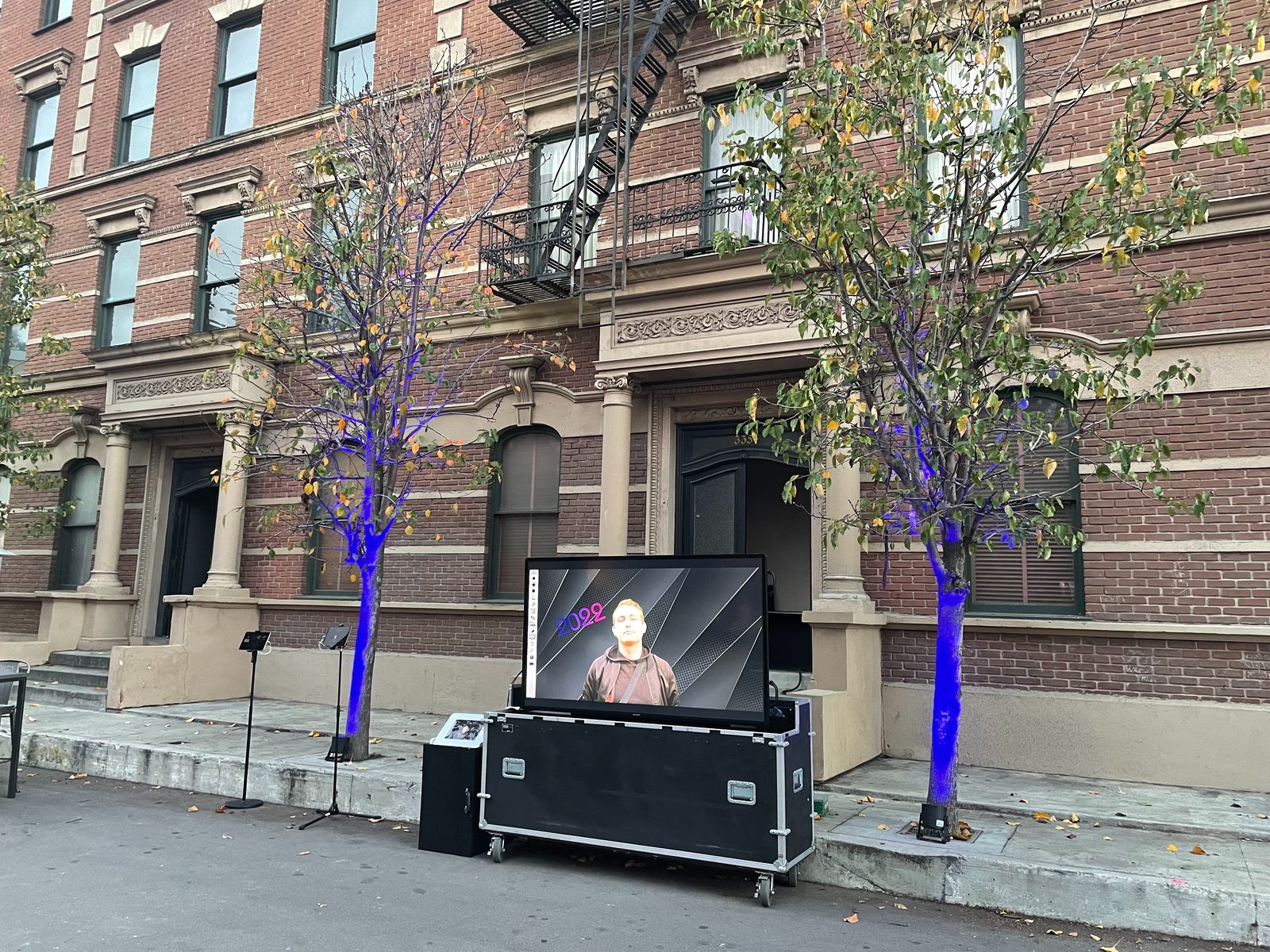
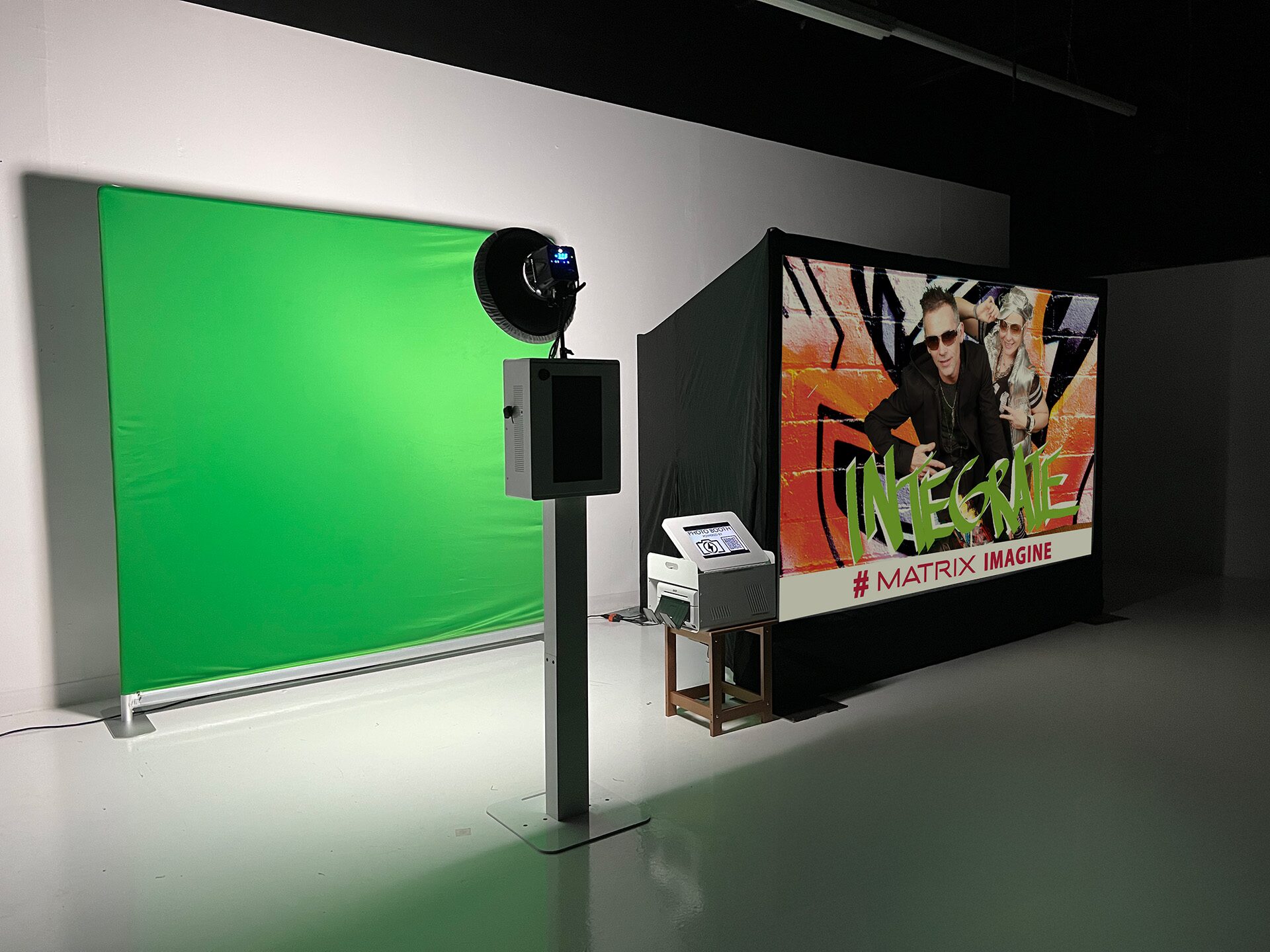
Each build here ran at a real CEG event, from the peg wall on the USS Midway’s hangar deck to a finished photo mosaic from Art Alive 2021.


WHAT COLLABORATIVE INSTALLATIONS NEED FROM THE FLOOR PLAN
A shared build needs from about 50 square feet (peg wall) to about 120 square feet (projection graffiti wall) of floor, a spot on the path guests already walk, and the right outlet. Put the build between registration and the coffee, or along the wall the bar line forms against; a wall set behind the stage or around a corner finishes the night mostly blank.
Before the site visit, confirm three things: the outlet (5 amps for the peg wall, 15 amps for either graffiti build), the light at the event hour, and phone signal where guests will scan a QR code for the mosaic or the split flap board. On a multi-day conference, decide before day one how the piece resets between days.
Book 4 to 6 weeks ahead, and longer when the build carries custom branding such as a logo template, brand stencils or an LED marquee header. Most setups take 1 to 2 hours. Travel is quoted from the nearest CEG location and can include flights, hotels and freight.
WHAT RUNNING COLLABORATIVE INSTALLATIONS HAS TAUGHT CEG
CEG client surveys and event logs going back to 2017 return three field lessons.
Guests have to hold the spray cans. When an attendant does the spraying all night, the graffiti wall turns into something guests watch, so settle who holds the cans in writing before the event. Lines also run longer than planners expect, so check 40 to 60 an hour against the guest count and add a second wall when the math calls for it.
The peg wall’s first twenty minutes decide it. One attendant is enough, and that attendant’s real job is briefing early arrivals so the board is visibly in progress before the room fills. A corporate holiday party placed the lit board at its entrance and got an arrival visual and a posing backdrop in one footprint.
Guests spell more than they follow a template. On a harbor cruise, guests spent the peg wall spelling out words. Leave a freehand zone beside the logo template, and photograph the board as soon as the template fills.
WHAT COLLABORATIVE INSTALLATIONS LEAVE BEHIND
A shared build leaves behind a photo of the finished build, the digital files, any prints guests carried off, and a participation count for the recap. At one February 2026 activation, a single graffiti wall’s sharing station logged 222 finished pieces. The board or screen leaves with CEG at strike, so photograph it lit at the end of the night, and put the count and the file delivery in the scope of work before the event.
Full specs live on the service pages: our Giant Lite Brite for the peg wall, our graffiti wall for the projection and touchscreen builds, and our split flap displays for the message wall. For the photo mosaic, send a floor plan, a run-of-show and your guest count, and we will tell you which build the room can actually hold.
WHAT CLIENTS SAY
Of the 208 clients who answered CEG’s post-event survey, 87% rated CEG five stars, alongside 200+ five-star Google reviews. After a 2023 graffiti wall in Palm Springs, the planner at Eventis wrote that the attendant was “on time, set up and ready to go ahead of time.”
... The team went ABOVE AND BEYOND to ensure our end client was happy. They were accommodating with last minute changes. ...
CEG is always an amazing partner — already looking forward to the next event.
Always professional, accommodating and easy to work with. Thanks team CEG for another successful event!
We hired CEG for Burlington's Leadership Summit — our Senior Vice Presidents and executives joined in.
You're always on time, prepared for anything and so creative. We love working with you!
Working with CEG was a breeze — they handled the entire setup without pulling our team away.
Communicative, punctual, and professional — they take pride in their work.
CEG is always a dream to work with — professional, timely, and warm.
Everyone had a great time — the onsite staff was great!
Grant was great and did a super job! Thank you!
PAIRS WELL WITH
Four more CEG guides cover the other activation formats and how each one gets measured:
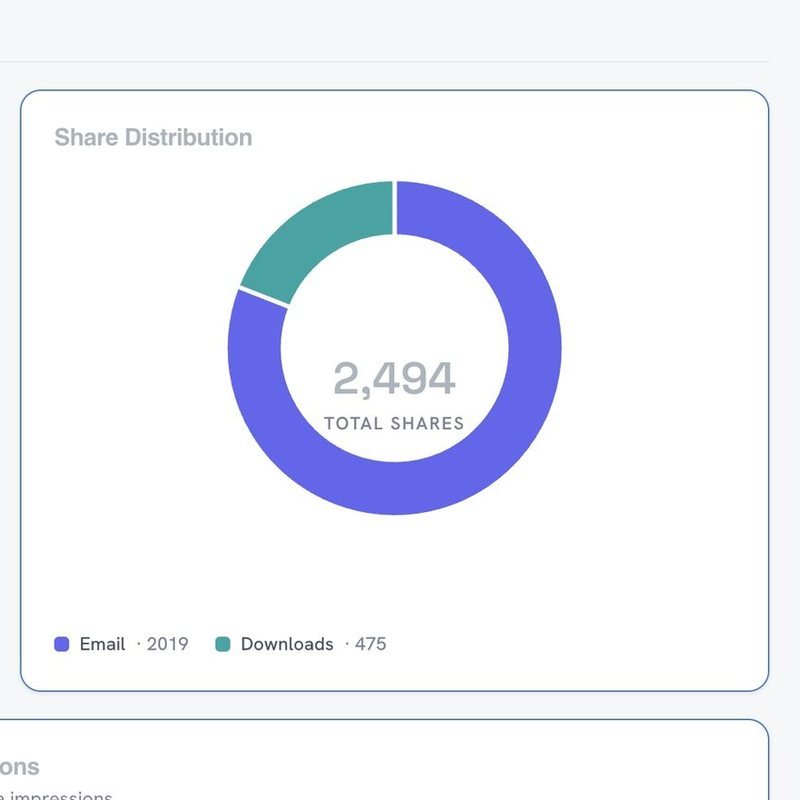
The post-event report counts sessions, shares and gallery views, which is where a graffiti wall or a photo mosaic turns into a participation number for the recap.
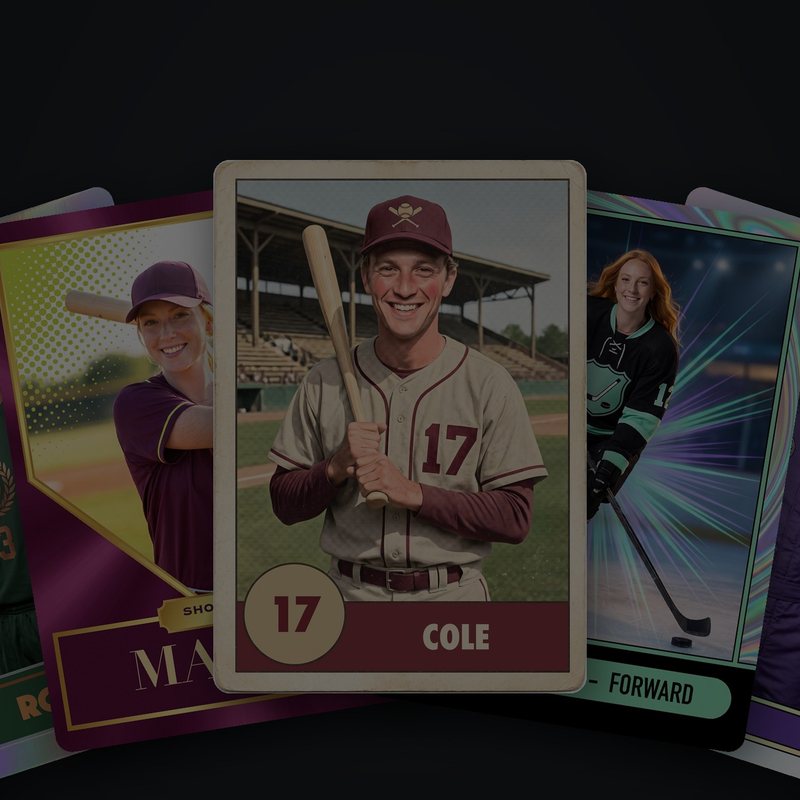
Where a shared build gives the room one piece, a personalized activation gives each guest a photo built around their own choice of theme, product or prompt.
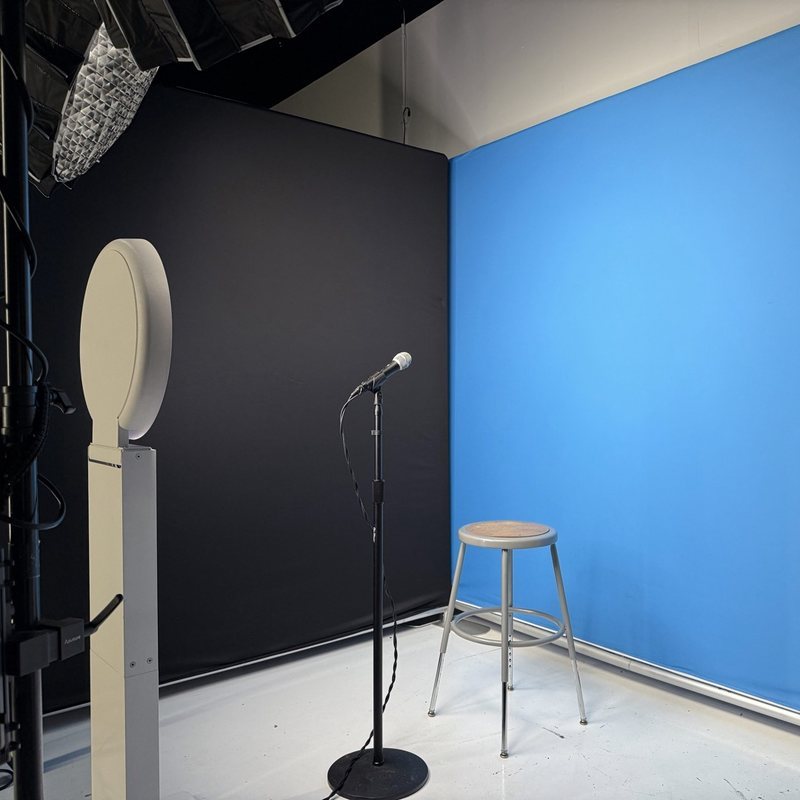
A split flap board carries one line per guest. A testimonial booth at a conference records the longer version on video.
For the part of the guest list that gets a separate room, a portrait studio or a secret room runs alongside the build on the main floor.