Studio Booth Rental
 Green Screen Photo Booth Rental
 Glam Booth Rental
 Mirror Photo Booth
 Classic Photo Booth Rental
 Light Painting Photo Booth Rental
 Vogue Photo Booth Rental
 Glambot Rental
 360 Photo Booth Rental
 Bullet Time Photo Booth Rental
 Testimonial Booths
 Roaming Photo Booth Rental
 GIF Photo Booth Rental
 Virtual Photo Booth


 Split Flap Display
 Custom Dog Tag Station
 Giant Lite Brite
 Digital Graffiti Wall
 Retail Photo Booth Installation
 Ski Lift Photo Booth
 Custom Photo Booth
 LED Dance Floor
A VIP photo activation is an event photo or video setup that limits who gets in, where it happens, or what a guest takes away, so the output works as proof of access. Common forms are a hidden photo room, a portrait studio kept for a guest list, a keepsake with a second layer that only its holder can open, a one-off fabricated build, and a cinema camera rig.
Most event photo setups are built for everyone, and every guest leaves with the same kind of file. A VIP setup reverses that on purpose, so the picture a guest carries out prompts one question from someone who was not there: where did you get that?
HOW A VIP PHOTO ACTIVATION DIFFERS FROM AN OPEN PHOTO BOOTH
A VIP setup is judged by who asks about it afterward, while an open photo booth is judged by how many guests it serves. That shift changes three planning calls. Access gets a rule, enforced at one point: a door person with the list, a badge color or a time slot on the invitation. The output gets a signature, such as a lighting setup, camera move or keepsake no other station produces. And the location becomes part of the effect, because a setup the whole room can watch from the bar is hard to keep special.
Does a smaller audience mean fewer photos?
Yes: a VIP setup gives up volume for scarcity. The open booth can keep running for everyone, while the VIP room serves the people the host wants to single out: speakers, sponsors, top customers or award winners. The common mistake is opening the VIP setup to everyone halfway through the night because the line looked short. Once the rule breaks, the output stops meaning anything.
PERSONALIZING THE PHOTO BOOTH FOR A VIP GUEST LIST
How do you personalize a photo booth for VIP guests?
A photo booth is personalized for VIP guests by giving the guest list four things the main booth does not offer: its own branded template, with the event name or the guest’s name on the frame; a directed pose, lighting setup or camera move that only that station produces; a separate set, such as a red carpet photo booth with a step-and-repeat wall; and a private gallery that only the guest list can open. Any one of the four makes the output read as VIP, and only the separate set adds floor space.
On a red carpet, the move is the personal part: a Glambot puts each arriving guest on a mark and sweeps a slow-motion camera past them, so every clip carries that guest’s own turn, hair flip or jacket toss. At a summit, the card can carry the message: at Burlington’s 2024 Leadership Summit, senior vice presidents and executives each left with a superhero-style trading card printed with the company’s new competency model. “The whole team had a blast getting their superhero photos and having our new competency model listed on their card!” wrote the planner, Tyler C.
FIVE FORMATS, FROM HIDDEN ROOMS TO GLAMBOT RIGS
Each of the five formats below limits access in a different way, and each asks for a different amount of floor, crew and lead time.
How much does a VIP photo activation cost?
CEG’s 2026 rate sheet prices each format for an event of up to 3 hours. The Bellows camera booth starts from $4,000. A VIP portrait studio starts from $5,000. The Surfboard 360 starts from $6,000. A Glambot starts from $6,000. The Rubik’s Cube enclosure adds $2,000 to a host booth; for example, a Studio Booth from $2,000 plus the enclosure makes a hidden room from $4,000. Custom trading cards start from $8,000, and dog tags run $2,000 an hour. A hidden room without the enclosure and a custom build are quoted to the venue.
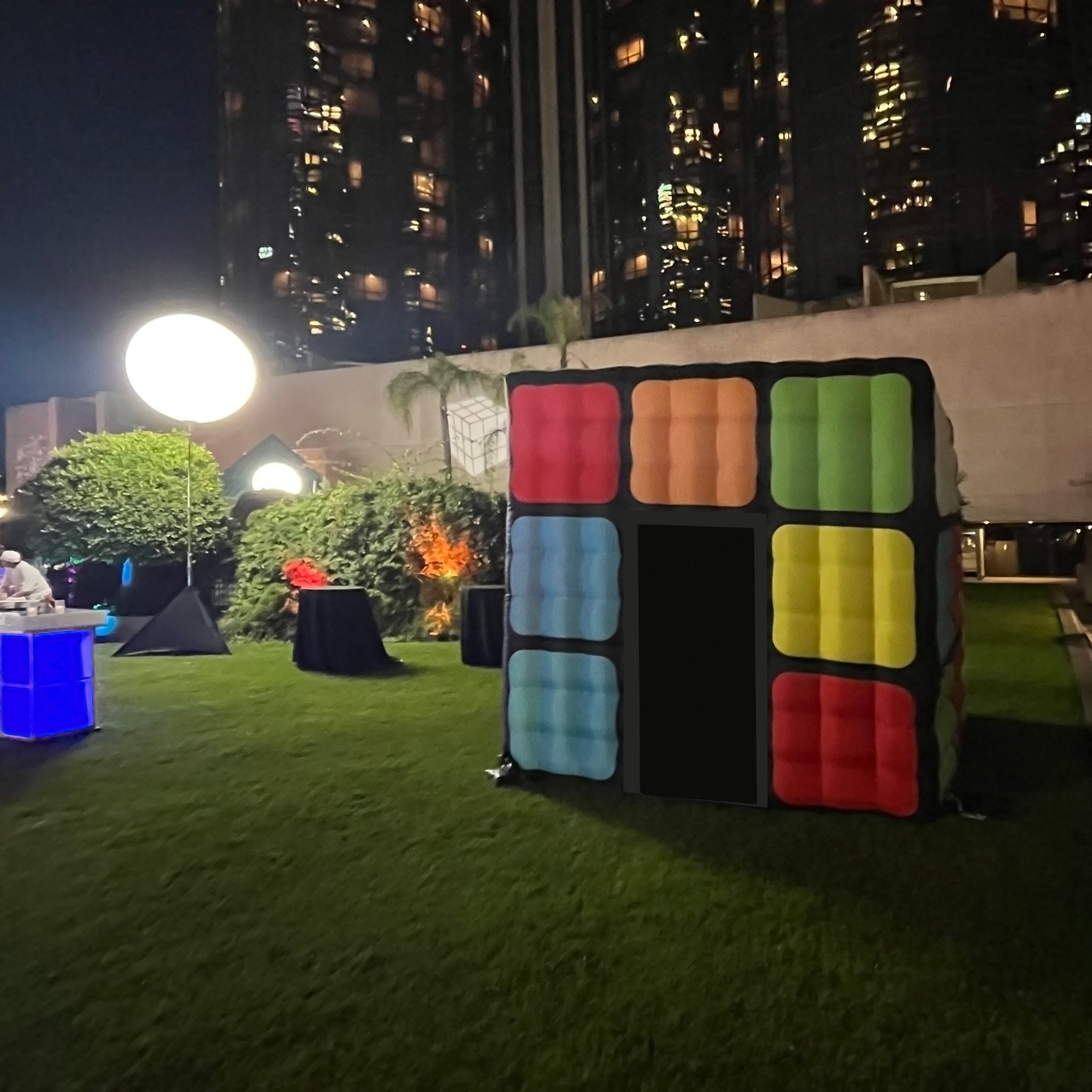
Hidden photo room. A hidden photo room sits behind an unmarked door, a curtain or a staffed entrance, and guests hear about it from someone who has already been inside. A hidden room fits galas, launch parties and after-parties where discovery is part of the night. The tradeoff is space and staffing: an enclosed area and a person on the door. When the venue has no side room, CEG’s Giant Rubik’s Cube enclosure makes one around a host booth, in 10 by 10 feet under a ceiling of at least 10 feet. The secret room itself is an industry pattern, not a named CEG product.
VIP portrait studio. A VIP portrait studio gives each person on a guest list a lit, directed sitting instead of a quick snap. A portrait studio fits leadership summits, award nights and sponsor lounges. The tradeoff is pace: at 30 to 50 guests an hour, a studio serves a guest list well and a full ballroom badly. At CEG, it is a setup of the Professional Headshot Photo Studio, in 10 by 10 feet. For a room that wants the camera itself on show, the Vintage Wood Bellows camera booth shoots on a DSLR in 8 by 8 feet.
Unlockable keepsake. An unlockable keepsake has a second layer that only its holder can open, such as a card or tag that plays a clip or opens a private gallery when scanned. An unlockable fits multi-day conferences and launches where guests should come back to the file later. The tradeoff is dependence: every unlock needs a phone, a signal and a live link. The scan-to-unlock layer is an industry pattern, not a standard CEG line; the printed half is, in the custom trading cards (8 by 12 feet) and dog tags (8 by 8 feet) CEG makes on site. A dog tag also works as a credential: handed only to the guest list, a steel tag embossed with the guest’s name and the event reads like a backstage pass, and each takes 15 to 30 seconds.
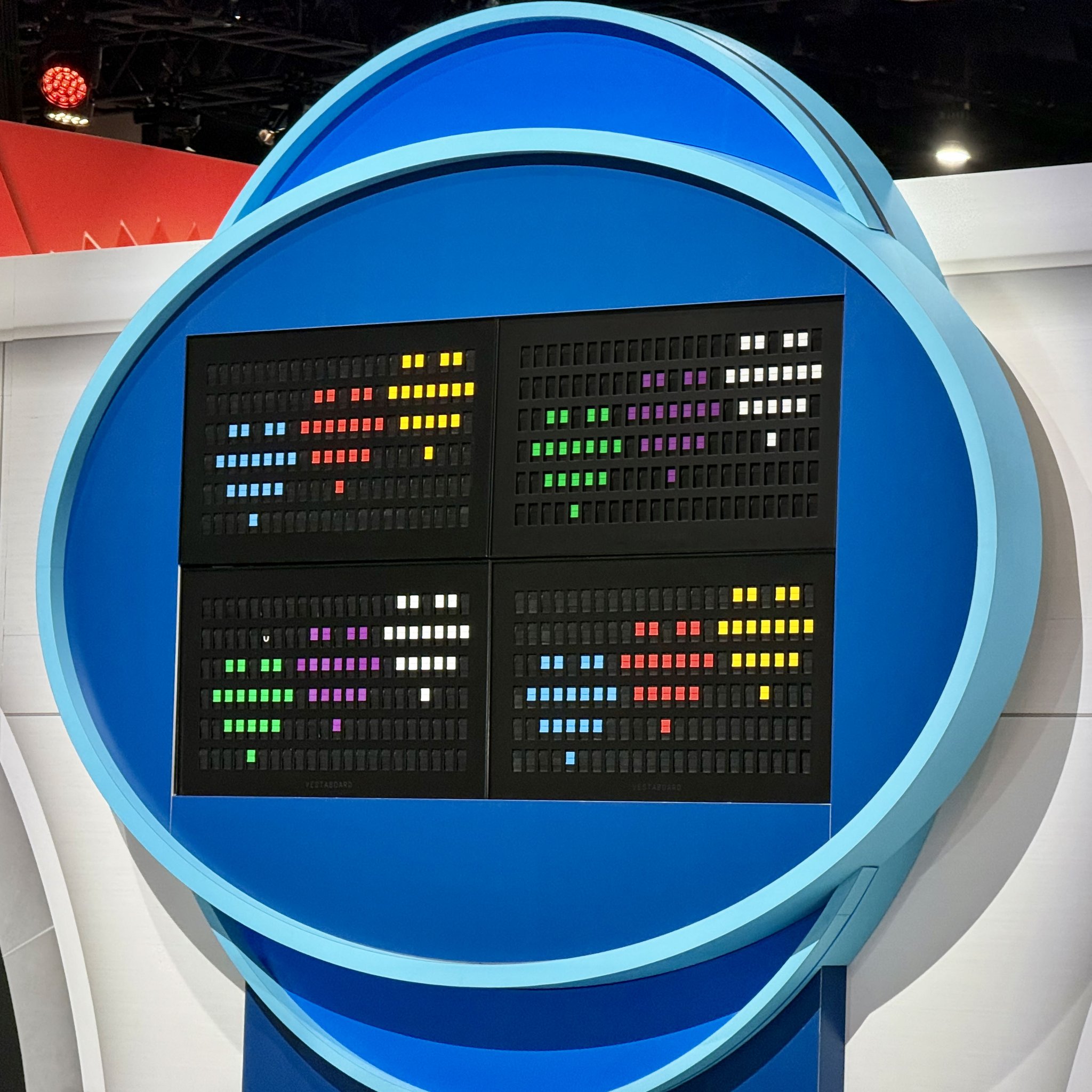
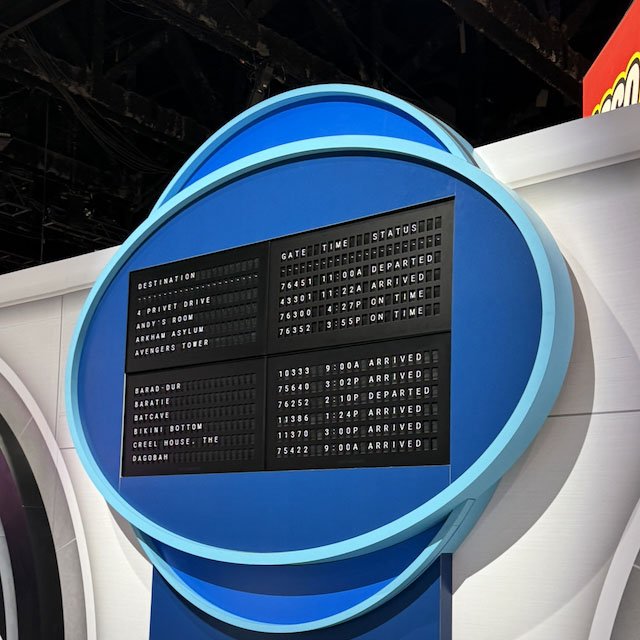
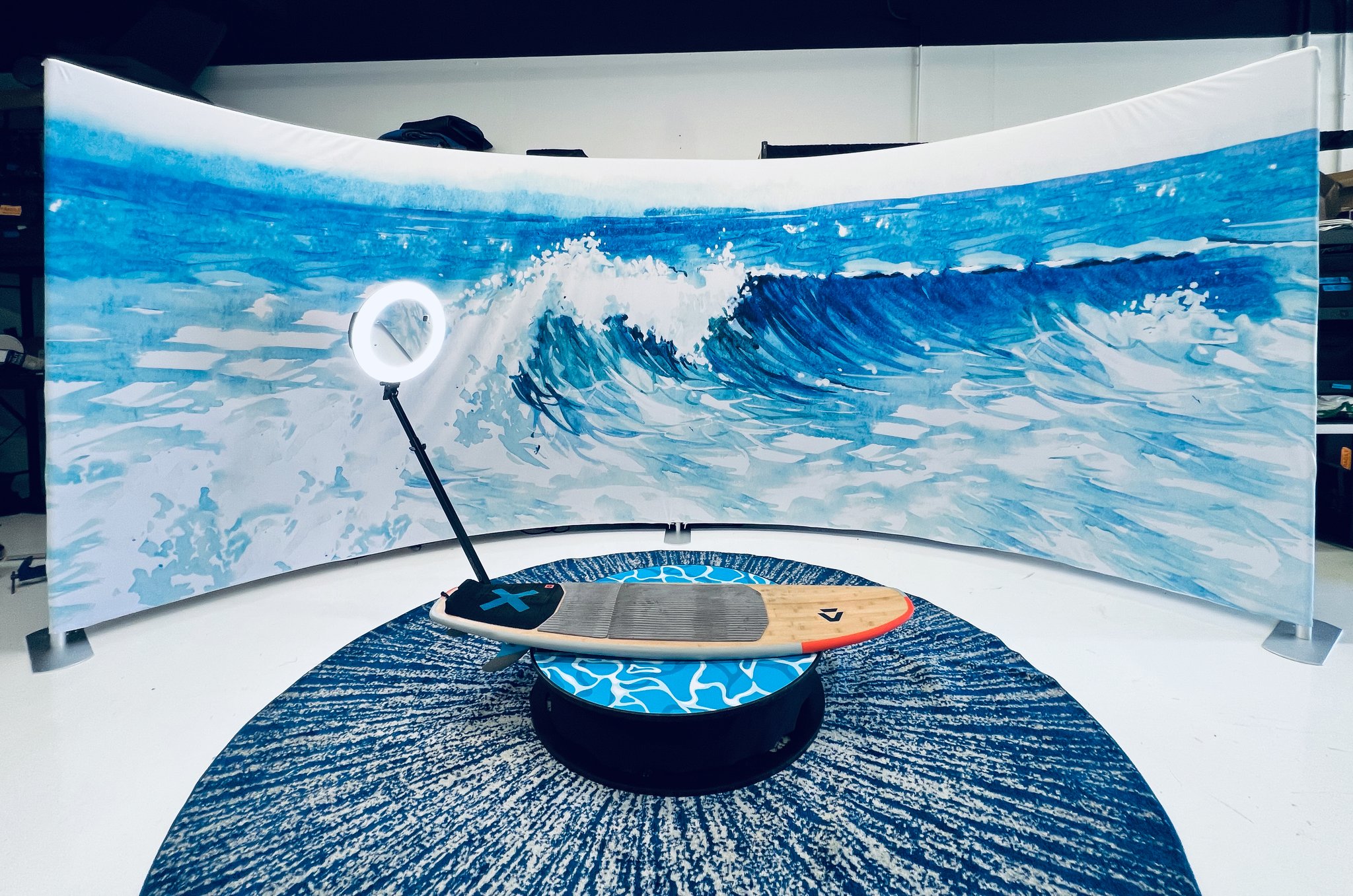
Custom fabricated build. A custom fabricated build is a wall, set or enclosure made for one event, not pulled from a rental catalog. A fabricated build fits brand launches and invite-only rooms where the look itself is the message. The tradeoff is lead time: drawings, a fabricator, and agreement on ventilation and service access. CEG’s closest build credit is the split flap wall at San Diego Comic-Con 2026, built by the fabricator Creatacor for XD Agency, with CEG as integration partner placing the boards and editing content the same night. It was an open show-floor build, not a VIP room; see our split flap display page. For a signature object without a build, the Surfboard 360 is a stock rental in 10 by 10 feet.
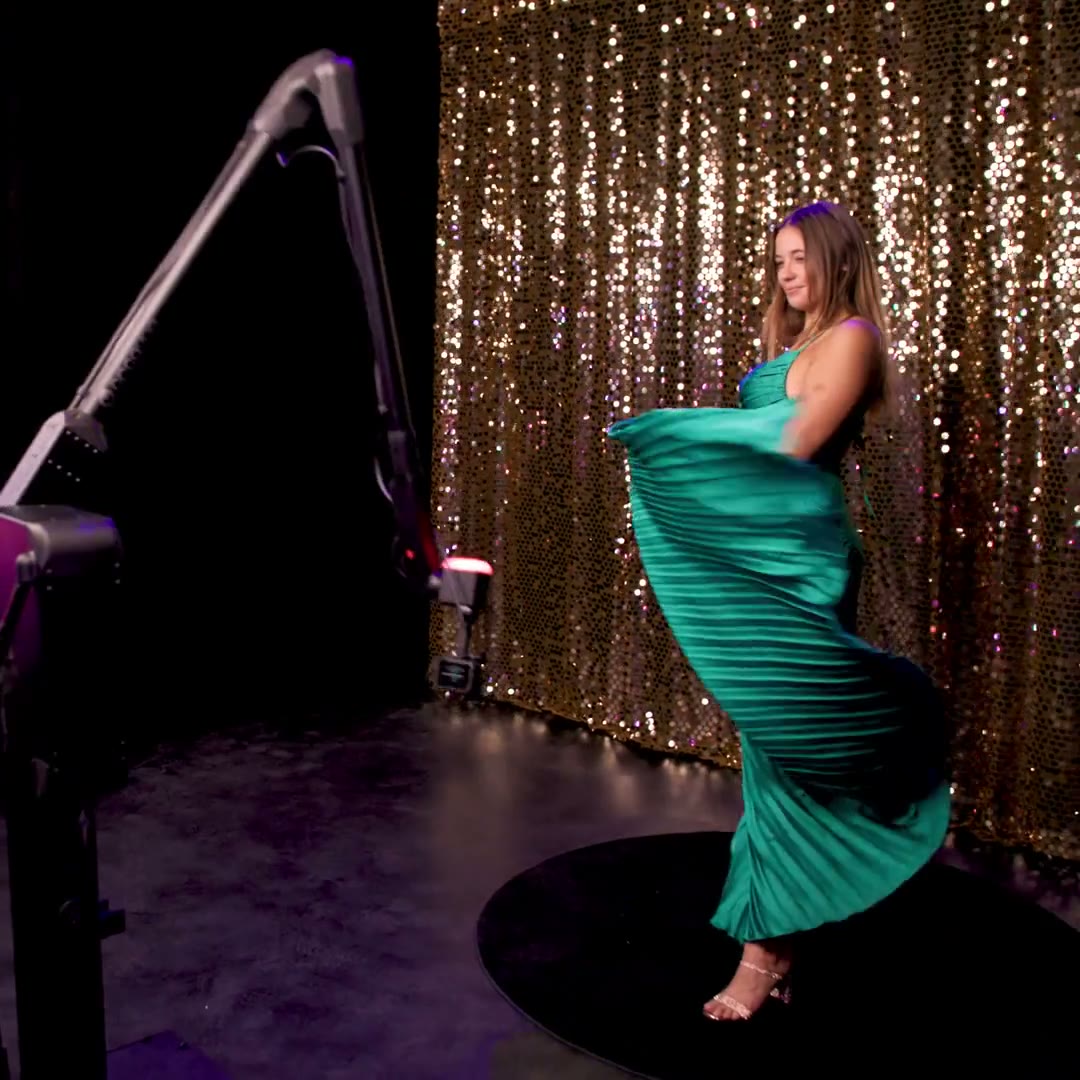
Cinematic capture. A cinema camera rig turns a few seconds of a guest’s arrival into slow-motion footage that looks like a film trailer, and CEG runs it in two sizes. The Event Glambot is a lighter robotic arm with a slow-motion camera and its own key lighting, run by one to three crew, in 12 by 12 feet (15 by 15 is recommended for the largest package) under a ceiling of at least 8 feet; it suits most sponsor lounges and galas. The Cinema Glambot is the consult-only top tier: a BOLT robot carrying a Phantom slow-motion cinema camera, run by a 3-person team in 15 by 15 feet under a ceiling of at least 10 feet. Cinematic capture fits red carpets and premieres where a short list walks past one mark. Some planners write it as glam bot; both tiers are on our Glambot page.
Why do some Glambot quotes come in far lower? Many quotes under $2,000 are for a “glambot” built on a motorized camera slider, which pushes the camera along one straight rail. A robotic arm can rise, arc and swing around the guest and repeat the move exactly on every take. The Event Glambot’s entry package films on a GoPro 4K at 120 frames a second for true slow motion, the higher packages use a pro mirrorless slow-motion camera, and the price covers the lighting, the sharing station and the crew. A slider suits a tight budget and a simple push; the arm is for a clip that should look like an award-show arrival.
How much does a Glambot cost?
A Glambot costs from $6,000 for the Event Glambot, whose larger packages run $9,000 and $12,000, and from $30,000 for the Cinema Glambot, where most projects run $50,000 to $100,000 or more.
Which format fits a given event?
Two questions settle it, in this order: how many guests should get the output, and how much floor and ceiling the venue can give. A few dozen guests and a side room point at the hidden room or portrait studio; a crowd with a layer only some can open, at an unlockable keepsake; a brief where the build is the story, at fabrication; a short list on a red carpet, at a Glambot. Footprints run from 8 by 8 to 15 by 15 feet, so check room height before the concept is approved. The headshot studio and the Rubik’s Cube enclosure are available nationwide. For the Bellows camera, the Surfboard 360, the trading card and dog tag stations and both robotic Glambot rigs, travel is quoted from the nearest CEG location and can include flights, hotels and freight.
WHEN A VIP SETUP IS THE WRONG CALL
A VIP setup is the wrong call when the room, the guest count or the goal does not fit the format, and in most of those cases a smaller or faster setup does the same job.
The room cannot take the Cinema Glambot. Three smaller formats still deliver a red-carpet clip.
When the ceiling is under 10 feet or there’s no room for a 15 by 15 footprint, I move the client to the Event Glambot, which films the same slow-motion red-carpet clip under an 8-foot ceiling, or to a 360 video booth, which has no ceiling minimum and still makes a motion clip.
Peyton Vincent, founder, CEG Interactive
The Event Glambot needs 12 by 12 feet. A 360 video booth, from $3,000, needs 8 by 8 feet at minimum; its camera orbits the guest on a platform instead of sweeping past a mark. An AI Glambot, priced by quote, uses no arm at all: it animates a professional still into a sweeping camera move of 5 or 10 seconds, fits in 8 by 8 feet on any floor, and sends the clip about 1 to 2 minutes after the photo. It is a virtual move, not true slow motion.
Peyton Vincent walks through CEG’s 360 video booth: platform sizes, branding, lighting and effects.
Transcript summary: the camera orbits guests on the platform and sends an edited slow-motion clip to their phones in under a minute, on platforms from a medium that holds three or four adults up to an XL that holds seven or more. Options include a branded platform decal, a custom touchscreen, white or multicolor lighting, smoke, bubble or snow machines, and a surfboard prop for a surf pose.
The “VIP” list is really the whole room. A list of 300 or more guests in a 2-hour window is too big for a portrait studio: at 30 to 50 guests an hour, one studio serves 60 to 100 guests in two hours, a third of the list at best.
When a VIP list turns out to be 300 guests in two hours, I split it by budget. If the budget allows, run two tiers: the portrait studio for the true VIP list and a faster glam booth for everyone else. If it doesn’t, run the glam booth alone and add stations to fit the list.
Peyton Vincent, founder, CEG Interactive
A glam booth, with beauty lighting and a retouching filter, serves about 60 guests an hour per station and starts from $3,000 per station, so 300 guests in two hours means 150 an hour, and 150 divided by 60 is 2.5: book three stations.
Three smaller cases also point away from a VIP setup. A list under about 20 people is better served by a roaming photo booth, from $2,000, or a professional photographer, from $3,000, A reach or lead-capture goal belongs to the open booth, where every extra guest is another shared file and another contact. And a floor plan with no room at all can still mark the guest list: a separate branded template on the main photobooth, switched on by the attendant for VIP badge holders, adds zero footprint.
ENCLOSURE, 360 AND GLAMBOT SETUPS ON THE FLOOR


RUNNING THE GUEST-LIST ROOM ON THE NIGHT
A VIP format runs slower than an open booth, which serves about one session a minute. CEG’s 2026 planning figure for a headshot studio is 30 to 50 guests an hour. The Event Glambot takes one to two minutes per guest, about 40 to 50 an hour on the one-operator package, and one take fits up to eight people, sometimes more, so a group can share one clip. On the entry package’s 120 fps camera, real motion plays back at about a quarter speed, at the sharing station and then by text, email or QR code. The Cinema Glambot’s footage is finished in post, not handed over at the rail.
How many guests does a 2-hour VIP window serve?
A 2-hour VIP window serves about 60 to 100 guests at one headshot studio (30 to 50 an hour, times two) and about 80 to 100 at one Event Glambot (40 to 50 an hour, times two). A list of 150 in two hours therefore needs a second station, a longer window or time slots printed on the invitation. Time slots also keep the line short.
Staffing scales with the format. The Event Glambot runs with one operator on the entry package, two on the middle package and three on the top one; on the one-operator package, add a person for the line. Book a standard format 4 to 6 weeks ahead, and longer with custom branding, since branded overlays and intros take 7 to 10 business days to build. For a standard booth, CEG’s crew arrives about two hours before doors and sets up in under an hour; larger setups take up to two hours and load in earlier, and the Cinema Glambot needs a two to four hour install.
TALENT, PRIVACY AND GLAMBOT SAFETY
Talent and press guests usually come with four conditions: image approval before anything goes public; a private gallery open only to the guest list; an embargo hold that keeps files off phones until a launch time; and a likeness release for later brand use, which comes from the client’s talent or legal team, not the photo vendor. By default, CEG keeps a VIP gallery private, and the client approves images before anything posts; public sharing is set up only on request. Galleries and guest data stay available to the client, and CEG deletes them whenever a guest or the client asks. Reusing guest photos in the brand’s own marketing is the client’s call; CEG advises an opt-in line on the share screen for any image that may run in ads.
A Glambot needs its own safety plan, because a robotic arm moves a camera past the guest at speed. Guests stand on a marked spot, and a crew member keeps the clearance zone around the arm empty and stops the move if anyone steps into it. With drinks and long gowns around, add stanchions, keep open drinks outside the zone, and keep children with a guardian. The Event Glambot needs a firm floor, since plush carpet shakes the footage, and a dedicated 20A circuit near the mark, two for the top package. The Cinema Glambot needs a safety radius beyond its 15 by 15 feet, three-phase or 220 V 30 A power, a hard level floor and a dock or freight lift.
WHAT THE VENUE NEEDS TO PROVIDE
A VIP setup needs three things from the venue: enough ceiling for the format, a placement guests can find once they are told, and a settled handoff for the files, agreed at booking.
Can a VIP photo activation run at an outdoor festival?
A VIP lounge in a festival tent follows the ballroom rules, with power, light and ground planned from scratch. A tent site needs a generator or distribution panel sized to the format’s power at the mark, such as the Event Glambot’s 20A circuit. As general practice, keep the gear shaded from direct sun, expect daylight to shift through the afternoon, and put a tent wall behind the mark for a steady background. Plan hard flooring over grass or gravel for a robotic arm, and move access control to the tent entrance, where a staffer checks wristbands against the list. Confirm on the site visit that the chosen format can run in that tent.
Restricted venues carry the exclusivity on their own. CEG delivers to the USS Midway, MCAS Miramar and NAS North Island, where a $500 special delivery and handling fee applies. Custom certificates of insurance with additional-insured endorsements are routine, backed by $2M / $4M general liability coverage. On a restricted venue, the paperwork is part of the lead time, so it belongs in the first planning call.
Planning VIP photo activations for events starts with the guest list and the floor plan, not the gear list. CEG scopes each one against the room first; the specialty builds are on our custom builds page. Send the guest count, the venue and the moment the host wants guests to talk about.
WHAT CLIENTS SAY
CEG Interactive averages 4.8 out of 5 across 208 post-event surveys, with 87% of survey respondents rating CEG five stars, alongside 200+ five-star Google reviews.
WOW! The team went above and beyond to ensure our end client was happy.
CEG is always an amazing partner — already looking forward to the next event.
Always professional, accommodating, and easy to work with. Thanks, team CEG!
Peyton jumped in to find a better solution for our group and created the AR options.
Peyton and the product were both amazing — everyone at our event loved it, kids to adults.
You're always on time, prepared for anything, and so creative. We love working with you!
Working with CEG was a breeze — they handled the entire setup without pulling our team away.
To say the photo op was a hit is the understatement of the century. People loved it!
Communicative, punctual, and professional — they take pride in their work.
CEG is always a dream to work with — professional, timely, and warm.
Everyone had a great time — the onsite staff was great!
Grant was great and did a super job. Thank you!
PAIRS WELL WITH
Four related guides cover the report that measures a VIP setup and the formats that run beside it:
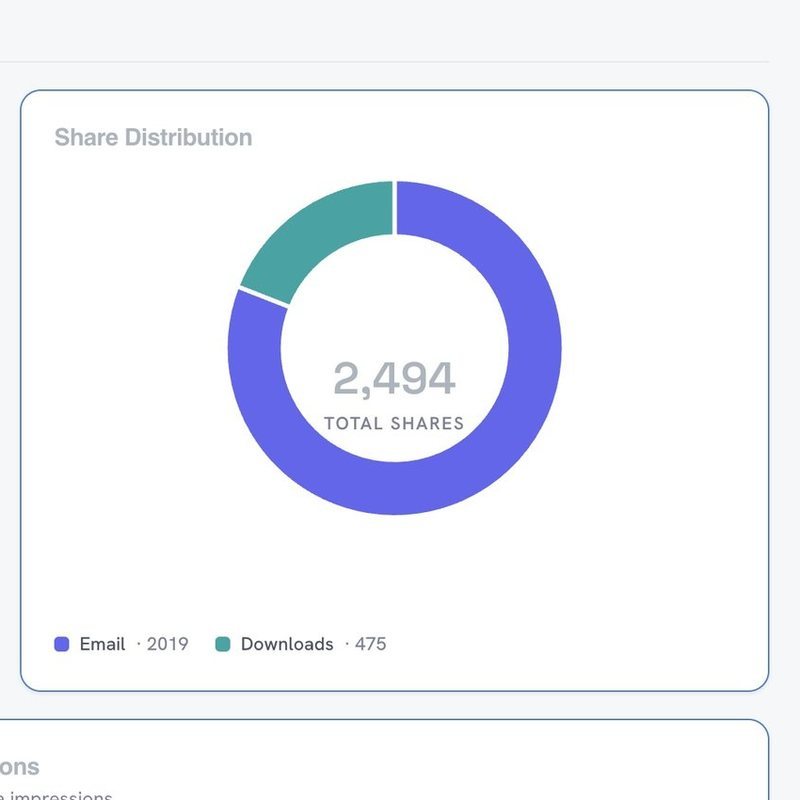
The booth inside a hidden room or a portrait studio shares files through the same platform as any CEG booth, so the post-event report shows how many guests got in and what they sent out.
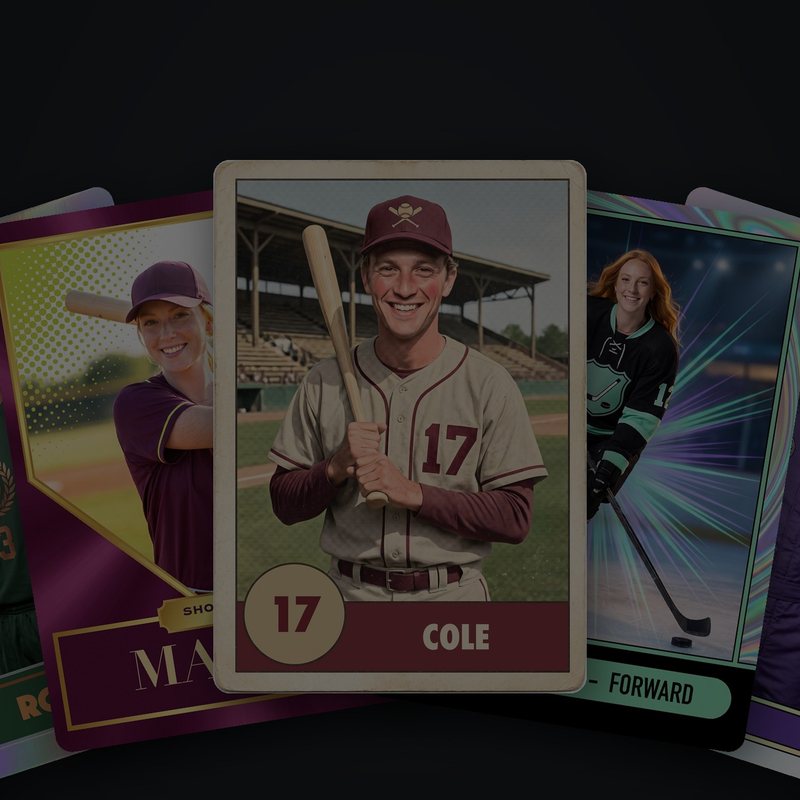
When the guest list is set but each output should differ, personalized formats let every guest pick a theme, a product or a prompt.

A portrait studio kept for speakers pairs well with a story studio that records them on video at the same conference.
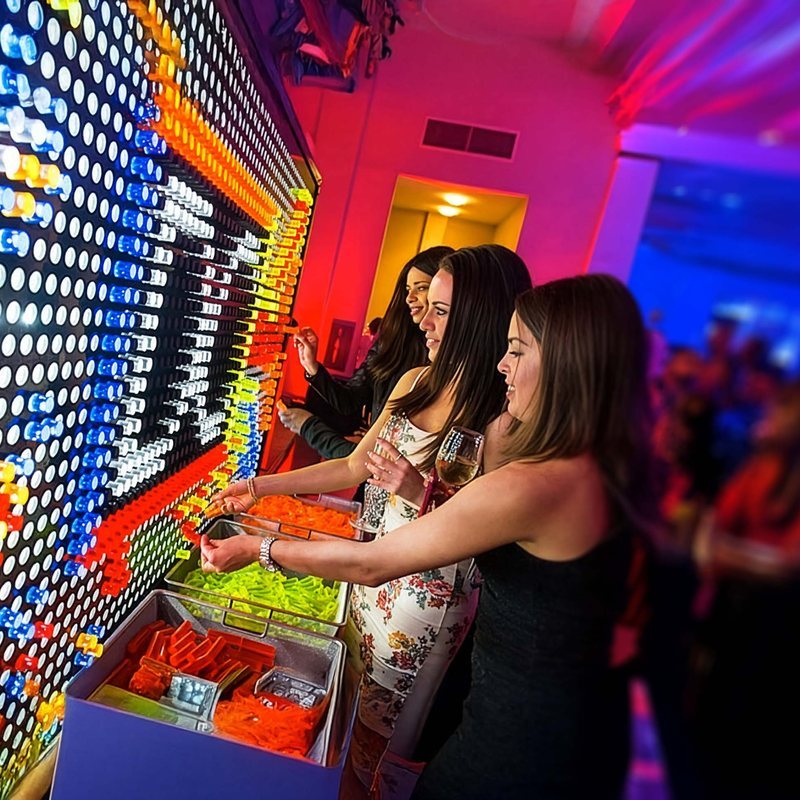
Where a VIP room singles a few guests out, a shared build such as a light wall or a photo mosaic brings the whole room into one piece.